Homelite 2700 PSI Power Washer Manual: A Comprehensive Guide
Welcome! This detailed manual provides essential instructions for operating and maintaining your Homelite 2700 PSI power washer, ensuring optimal performance and longevity.
Congratulations on purchasing the Homelite 2700 PSI Power Washer! This robust cleaning machine is designed to tackle a wide range of outdoor cleaning tasks, from revitalizing decks and siding to washing vehicles and driveways. This manual serves as your complete resource, guiding you through safe operation, proper maintenance, and effective troubleshooting.
Before first use, carefully review this manual to familiarize yourself with all components and safety precautions. Understanding the power washer’s capabilities and limitations will ensure efficient cleaning and prevent potential damage to surfaces or the unit itself. We’ve included detailed diagrams and step-by-step instructions to make the process as straightforward as possible.
The Homelite 2700 PSI model delivers powerful cleaning performance, offering adjustable pressure settings to suit various cleaning needs. Proper use and maintenance, as outlined in this guide, will maximize its lifespan and maintain its effectiveness for years to come.
Safety Precautions & Warnings
Important! Always prioritize safety when operating your Homelite 2700 PSI Power Washer. Never point the wand at yourself or others. Wear safety goggles to protect your eyes from debris. Secure loose clothing and hair to prevent entanglement. High-pressure spray can cause serious injury.
Ensure a stable footing while in use, and never operate the power washer on slippery surfaces. Disconnect the power source (or engine) before performing any maintenance or changing accessories. Do not modify the unit in any way, as this could compromise safety features.
Keep children and pets away from the operating area. Avoid spraying electrical components or outlets. Use only approved accessories and detergents. Failure to follow these warnings could result in severe injury or property damage. Read the entire manual before operation.
Understanding the Components
Familiarize yourself with the key parts of your Homelite 2700 PSI Power Washer. This includes the high-pressure hose, connecting to both the pump and trigger gun. The trigger gun controls water flow and features quick-connect nozzle attachments. A detergent tank allows for soap application during cleaning.
The pump generates the high-pressure water stream, powered by a gas engine. Various nozzles determine spray pattern and intensity – from wide-angle for gentle cleaning to pinpoint for stubborn grime. Inspect all connections before each use to ensure a secure fit.
Understanding these components and their functions is crucial for safe and effective operation. Refer to the parts diagram for visual identification. Proper component knowledge aids in maintenance and troubleshooting.
Nozzle Selection & Functionality
Choosing the right nozzle is vital for effective cleaning without damaging surfaces. Your Homelite 2700 PSI power washer likely includes multiple nozzles, each designated by a color and degree angle. A 0-degree nozzle delivers a concentrated, powerful stream for removing stubborn dirt, but use caution as it can etch softer materials.
A 15-degree nozzle offers a narrower spray for more focused cleaning, while 25-degree and 40-degree nozzles provide wider patterns for general-purpose washing. The soap nozzle, typically white, creates a low-pressure spray for applying detergent.
Always test the nozzle on an inconspicuous area first. Incorrect nozzle selection can lead to surface damage. Regularly inspect nozzles for clogs and clean as needed.
High-Pressure Hose & Connections
The high-pressure hose is a critical component, safely delivering water from the pump to the spray gun. Inspect the hose before each use for cracks, bulges, or abrasions; never use a damaged hose. Ensure all connections are tight and secure before operation to prevent leaks and potential injury.
Connect the hose to both the pump outlet and the trigger gun, utilizing the quick-connect fittings. Avoid twisting the hose during connection, as this can damage the fittings.
Never exceed the maximum pressure rating of the hose. Store the hose properly, avoiding kinks and direct sunlight. Regularly check the connections for wear and tear, replacing components as needed.
Trigger Gun Assembly & Operation
The trigger gun controls the flow of high-pressure water. Before use, ensure the trigger lock is engaged for safety. Attach the high-pressure hose securely to the designated port on the gun, verifying a tight connection. Select your desired nozzle and firmly insert it into the spray lance.
To operate, disengage the trigger lock and gently squeeze the trigger to release water. Adjust pressure by varying the trigger pull. Always point the spray gun away from yourself and others.
Release the trigger to stop the water flow; the lock will automatically engage. Never modify or tamper with the trigger mechanism. Store the gun with the trigger lock engaged when not in use.
Detergent Tank & System
The detergent tank allows for applying cleaning solutions with the high-pressure water stream. Locate the tank, typically translucent for level visibility, and remove the cap. Fill with a detergent specifically designed for pressure washers, avoiding harsh chemicals. Re-secure the cap tightly to prevent leaks.
The system utilizes a siphon tube to draw detergent from the tank. Adjust the detergent concentration using the dilution knob, if equipped, to suit the cleaning task. Ensure the siphon tube is properly positioned within the tank.
When applying detergent, start with a low-pressure setting and test a small area. Rinse thoroughly after detergent application.
Assembly Instructions
Before initial use, careful assembly is crucial for safe and effective operation. Begin by unpacking all components and verifying against the parts list. Ensure you have the power washer unit, high-pressure hose, trigger gun, various nozzles, and detergent tank.
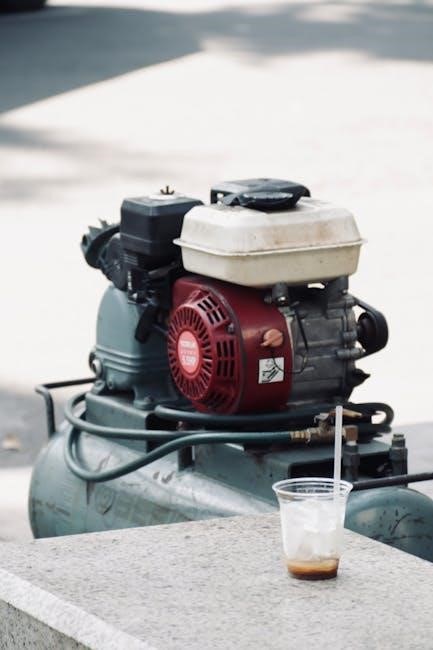
Assembly involves connecting the hose to both the pump outlet and the trigger gun. Securely attach the trigger gun, ensuring a tight connection to prevent leaks. Install the desired nozzle onto the trigger gun wand, twisting until it locks into place. Finally, attach the detergent tank, aligning it correctly and securing it as indicated in the diagrams.
Double-check all connections before proceeding.
Connecting the High-Pressure Hose
Proper hose connection is vital for preventing leaks and ensuring optimal pressure. First, locate the high-pressure hose and the pump outlet on the power washer unit. Hand-tighten the hose connector onto the pump outlet, ensuring it’s securely attached.
Next, connect the other end of the hose to the trigger gun. Again, hand-tighten firmly. It’s crucial to avoid cross-threading, which can damage the connectors. Once connected, gently tug on the hose at both ends to confirm a secure fit.
Inspect the connections for any signs of leakage before proceeding. A properly connected hose will withstand the high pressure generated by the pump.
Attaching the Trigger Gun
Securely attaching the trigger gun is essential for safe and effective operation. Locate the trigger gun and the high-pressure hose connector. Align the trigger gun’s connector with the hose’s corresponding fitting, ensuring a proper match.
Hand-tighten the connection by rotating the trigger gun’s collar clockwise until snug. Avoid over-tightening, as this could damage the plastic components. Once connected, test the gun’s stability by gently pulling on it.
Confirm the trigger mechanism operates smoothly and that there are no immediate leaks around the connection point. A properly attached trigger gun allows for controlled water flow and prevents accidental activation.
Installing Nozzles
Selecting the correct nozzle is crucial for various cleaning tasks. Your Homelite 2700 PSI power washer includes a set of interchangeable nozzles, each designated for a specific spray pattern and intensity. Locate the nozzle holder on the trigger gun.
To install a nozzle, firmly grasp the desired nozzle and align its pin with the corresponding slot in the nozzle holder. Push the nozzle in until it clicks securely into place. To remove a nozzle, depress the release button (if equipped) or gently pull it straight out.
Always ensure the nozzle is fully seated before operation. Incorrect nozzle installation can lead to reduced cleaning performance or potential hazards.
Filling the Detergent Tank
The detergent tank allows for efficient application of cleaning solutions. Locate the detergent tank on your Homelite 2700 PSI power washer – it’s typically a translucent container. Before filling, ensure the power washer is switched off and the water supply is disconnected.
Remove the tank cap and carefully pour in your preferred detergent, specifically formulated for pressure washers. Do not overfill; leave some space for expansion. Replace the cap securely.
Only use detergents recommended by Homelite to avoid damaging the pump or other components. Always follow the detergent manufacturer’s instructions regarding dilution ratios.
Operating Instructions
Before operation, confirm all connections are secure – water supply, high-pressure hose, and trigger gun. For gas-powered models, follow the ‘Starting the Engine’ procedure detailed in this manual. Ensure a stable water source with adequate pressure is available.
Connect the water supply to the power washer’s inlet. Gradually turn on the water supply, allowing the pump to prime. Squeeze the trigger gun to release any trapped air. Adjust the pressure settings using the pressure control knob to suit the cleaning task.
If using detergent, follow the ‘Applying Detergent’ instructions. Always operate the power washer on a level surface and wear appropriate safety gear.
Starting the Engine (Gas Powered Models)
Prior to starting, ensure the fuel tank is filled with fresh, unleaded gasoline. Check the oil level and add oil if necessary, using the recommended type specified in the ‘Technical Specifications’ section. Open the fuel valve and set the choke to the ‘start’ position.
Gently pull the starter cord until resistance is felt, then pull briskly. Repeat several times until the engine starts. Once running, gradually adjust the choke to the ‘run’ position. Allow the engine to warm up for a few minutes before applying full throttle.
If the engine fails to start, consult the ‘Troubleshooting’ section for assistance. Always disconnect the spark plug wire before performing any maintenance.
Water Supply Connection
Before operation, securely connect a standard garden hose to the water inlet on the power washer. Ensure the hose is free from kinks and obstructions for optimal water flow. A water filter is recommended to prevent debris from entering the pump.
Turn on the water supply fully. The power washer requires a minimum water flow of 2.5 gallons per minute for efficient operation. Check for leaks at the connection point and tighten if necessary. Never draw water from stagnant sources.
Always disconnect the water supply when the power washer is not in use, and before performing any maintenance procedures.
Adjusting Pressure Settings
Your Homelite 2700 PSI power washer features adjustable pressure settings, allowing you to tailor the cleaning power to various surfaces. Begin with the lowest pressure setting and gradually increase it as needed, testing on an inconspicuous area first.
The pressure adjustment knob is typically located near the trigger gun. Rotating the knob clockwise increases pressure, while counterclockwise decreases it. Avoid using maximum pressure on delicate surfaces like painted wood or vinyl siding.
Proper pressure selection prevents damage and ensures effective cleaning. Always refer to the surface manufacturer’s recommendations for appropriate pressure levels.
Applying Detergent
To utilize the detergent system on your Homelite 2700 PSI power washer, first ensure the detergent tank is filled with a compatible detergent specifically designed for pressure washers. Attach the detergent suction tube to the tank and insert it into the designated port on the power washer.
Select the low-pressure nozzle (typically white or black) for detergent application, as high pressure can dilute or damage the cleaning solution. Adjust the detergent flow rate using the built-in control knob, starting with a lower setting.
Apply detergent evenly to the surface, allowing sufficient dwell time before rinsing. Always rinse thoroughly with clean water to remove all traces of detergent.
Maintenance & Troubleshooting
Regular maintenance is crucial for extending the life of your Homelite 2700 PSI power washer. After each use, flush the system with clean water to remove any remaining detergent or debris. Periodically inspect the nozzles for clogs and clean them as needed.
Check the high-pressure hose for cracks or damage, and replace it if necessary. For gas-powered models, perform routine oil changes according to the schedule outlined in the manual. Addressing minor issues promptly can prevent more significant problems.
This section details common troubleshooting steps to resolve operational difficulties, ensuring continued efficient cleaning performance.
Cleaning Nozzles & Filters
Maintaining clean nozzles and filters is vital for optimal performance. Clogged nozzles reduce pressure and create uneven spray patterns. To clean, disconnect the nozzle and use a thin wire or nozzle cleaning tool to remove debris. Rinse thoroughly with water before reattaching.
The water inlet filter prevents dirt and sediment from entering the pump. Regularly inspect and clean this filter to ensure a consistent water supply. Remove the filter, rinse it under running water, and reinstall securely. A dirty filter can significantly reduce the power washer’s efficiency and potentially damage the pump.
Winterizing the Power Washer
Protecting your Homelite 2700 PSI power washer from freezing temperatures is crucial to prevent damage. Begin by disconnecting the water supply and running the engine until all water is expelled from the pump and hose. This prevents ice formation that can crack components.
Next, drain the detergent tank completely. For gas-powered models, add fuel stabilizer to the gasoline tank and run the engine briefly to circulate it. Remove the spark plug and pour a small amount of oil into the cylinder, then pull the starter cord several times. Store the unit in a dry, protected area, covering it to prevent dust accumulation.
Oil Change Procedures (Gas Models)
Maintaining proper oil levels is vital for the longevity of your gas-powered Homelite 2700 PSI power washer’s engine. First, warm up the engine slightly for easier oil flow. Locate the oil drain plug, typically on the lower part of the engine, and position a suitable oil drain pan underneath.
Remove the drain plug and allow all the old oil to drain completely. Replace the drain plug with a new crush washer, tightening it securely. Next, remove the oil fill cap and add the recommended oil type and quantity, as specified in the ‘Technical Specifications’ section. Check the oil level with the dipstick, ensuring it’s within the acceptable range;
Common Issues & Solutions
Encountering problems? Here’s a quick guide to resolving frequent issues with your Homelite 2700 PSI power washer. If the engine fails to start, check the fuel level, spark plug, and air filter. For low pressure, inspect the nozzles for clogs and verify the water supply is fully open.
Detergent not mixing often indicates a blocked detergent filter – clean it thoroughly. Water leaks usually stem from loose connections; tighten all hoses and fittings. If the engine runs erratically, the carburetor might need adjustment or cleaning. Always disconnect the power source before attempting any repairs. Refer to the ‘Detailed Troubleshooting Guide’ for more complex problems.
Detailed Troubleshooting Guide
Facing persistent issues? This section offers in-depth solutions for common Homelite 2700 PSI power washer problems. Engine Won’t Start: Verify fuel shut-off valve is open, check spark plug condition, and ensure proper choke operation; Low Pressure Output: Inspect and clean nozzles, examine the high-pressure hose for kinks or damage, and confirm adequate water supply pressure.
Detergent Not Mixing: Clean the detergent filter and injection nozzle. Water Leaks: Tighten all connections, inspect hoses for cracks, and check the pump for damage. If problems persist, consult a qualified technician. Always prioritize safety and disconnect the power source before any inspection or repair.
Engine Won’t Start
Experiencing starting difficulties? First, ensure the fuel tank isn’t empty and the fuel shut-off valve is fully open. Next, inspect the spark plug – it should be clean and properly gapped. A fouled spark plug is a common culprit. Verify the choke is functioning correctly; engage it for cold starts and disengage once the engine attempts to run.
Also, check the air filter for obstructions. A clogged air filter restricts airflow, hindering ignition. Confirm the safety switch is in the ‘run’ position. If the engine still fails to start, examine the recoil starter for damage. Persistent issues may indicate a carburetor problem requiring professional attention.
Low Pressure Output
Reduced cleaning power? Begin by verifying the water supply is fully on and free of obstructions. Inspect the high-pressure hose for kinks, bends, or damage – these restrict water flow. Ensure the nozzle isn’t clogged; remove and clean it thoroughly. A partially blocked nozzle significantly reduces pressure.
Check the water inlet filter for debris and clean if necessary. Confirm the pressure regulator is set to the desired level. If the issue persists, examine the pump for wear or damage. Low pressure can also indicate air in the system; try bleeding the pump according to the instructions. Professional servicing may be needed for pump repairs.
Detergent Not Mixing
Experiencing issues with detergent application? First, ensure the detergent tank is adequately filled with a power washer-specific detergent. Verify the detergent selector switch is positioned to the “detergent” setting, not “off” or “high pressure.” Inspect the detergent suction hose for kinks, clogs, or damage, ensuring a clear path for the detergent.
Clean the detergent filter located within the tank to remove any residue buildup. Confirm the detergent concentration is appropriate for the task; too much or too little can hinder mixing. If problems continue, check the pump’s low-pressure side for obstructions. A professional inspection might be required for internal pump cleaning.
Water Leaks
Discovering water leaks requires immediate attention. Begin by inspecting all hose connections – the high-pressure hose to the pump, the water inlet hose to the faucet, and the trigger gun connection. Tighten any loose fittings, ensuring they are securely fastened. Examine the high-pressure hose for cracks, bulges, or punctures; replace if damaged.
Check the o-rings and seals around the pump and trigger gun for wear or deterioration, replacing them as needed. Inspect the pump housing itself for any visible cracks. If leaks persist, particularly from the pump, professional repair may be necessary to avoid further damage and ensure safe operation.
Warranty Information
Your Homelite 2700 PSI power washer is covered by a limited warranty against defects in materials and workmanship for a period of one year from the original purchase date. This warranty covers parts and labor for repairs or replacement, at Homelite’s discretion.
The warranty is void if the unit has been subjected to misuse, abuse, neglect, improper maintenance, or unauthorized repairs. Proof of purchase is required for all warranty claims. Contact Homelite customer support or visit our website for detailed warranty terms, claim procedures, and authorized service locations. Modifications or alterations will invalidate the warranty.
Technical Specifications
Homelite 2700 PSI Power Washer – Key Specifications: Maximum Pressure: 2700 PSI (pounds per square inch). Flow Rate: Up to 2.3 GPM (gallons per minute). Engine Type: Typically a 208cc OHV gas engine. Fuel Capacity: 0.63 gallons. Detergent Tank Capacity: 0.5 quarts. Nozzle Sizes: Includes various quick-connect nozzles (0°, 15°, 25°, 40° and soap nozzle).
High-Pressure Hose Length: 25 feet. Weight: Approximately 62 pounds. Operating Temperature: Maximum 104°F (40°C). Power Source: Gasoline. These specifications are subject to slight variations depending on the specific model. Always refer to the product label for the most accurate information.
Homelite 2700 PSI Power Washer: Parts Diagram
Understanding Your Power Washer’s Components: This diagram illustrates the key parts of your Homelite 2700 PSI power washer. Key components include the high-pressure hose, trigger gun assembly, various quick-connect nozzles, the detergent tank with its suction hose, and the engine housing.
Further parts identified are the water inlet filter, pressure regulator, and the axial cam pump. The frame provides structural support, while the wheels facilitate portability. Refer to this diagram when ordering replacement parts or performing maintenance. A separate, detailed parts list with corresponding part numbers is available for download on the Homelite website for easy identification.