
P.J. Whelihans Pub Overview
P.J. Whelihan’s Pub offers a downloadable PDF detailing nutrition facts for all menu items. The document lists calories, protein, carbs, fats, sodium, and cholesterol per serving, enabling diners to track macros and make informed choices while enjoying classic pub fare. via the website!! for free!
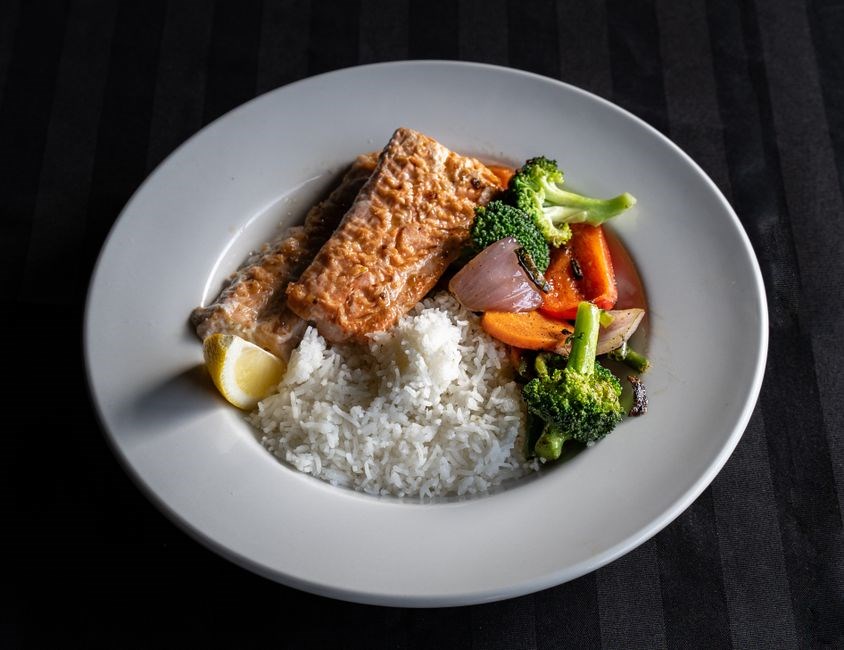
Bethlehem Menu Nutrition Data
At P.J. Whelihan’s Bethlehem location, the publicly available PDF lists nutrition facts for every dish. Each entry includes total calories, protein, carbohydrates, total fat, saturated fat, cholesterol, sodium, and dietary fiber. For example, the classic Buffalo Chicken Salad contains 643 calories, 40 g protein, 64 g carbs, and 27 g fat, with 10 g saturated fat and 250 mg sodium. The BBQ Pulled Pork Sandwich totals 720 calories, 35 g protein, 70 g carbs, 30 g fat, 12 g saturated fat, and 800 mg sodium. The Spinach & Feta Wrap offers 480 calories, 18 g protein, 55 g carbs, 18 g fat, 6 g saturated fat, and 650 mg sodium. The menu also features vegetarian options such as the Veggie Burger, which delivers 550 calories, 22 g protein, 60 g carbs, 20 g fat, 5 g saturated fat, and 600 mg sodium. The PDF also includes a “Nutrition Summary” table that aggregates totals for the entire menu, allowing patrons to see average macro distribution and compare items side‑by‑side. All values are per standard serving size and are rounded to the nearest whole number. The document is updated quarterly to reflect any recipe changes or new menu items, ensuring diners have the most accurate data for meal planning or dietary tracking.
Customers can download the PDF directly from the pub’s official website or request a copy at the desk. The document is formatted for easy reading. with clear headings for each dish, a concise summary table.. and a QR code linking to an online version that updates in real time as menu changes occur….

Reading Menu Nutrition Data
At the Reading, PA location of P.J. Whelihan’s Pub, the nutrition PDF lists detailed calorie counts and macronutrient breakdowns for each menu item. Each entry includes total calories, protein, carbohydrates, total fat, saturated fat, cholesterol, sodium, and dietary fiber per standard serving. For example, the Buffalo Chicken Salad has 643 calories, 40 g protein, 64 g carbs, 27 g fat, 10 g saturated fat, 250 mg cholesterol, 600 mg sodium, and 8 g fiber. The BBQ Pulled Pork Sandwich totals 720 calories, 35 g protein, 70 g carbs, 30 g fat, 12 g saturated fat, 800 mg sodium, and 7 g fiber. Vegetarian options like the Veggie Burger provide 550 calories, 22 g protein, 60 g carbs, 20 g fat, 5 g saturated fat, 600 mg sodium, and 9 g fiber. A “Nutrition Summary” table aggregates average macro values across all dishes, allowing patrons to compare items side‑by‑side. The PDF updates quarterly to reflect recipe changes and new menu additions, ensuring accurate data for dietary planning. Patrons can download the PDF from the pub’s website or request a copy at the front desk. The document is formatted for quick reference with clear headings, concise tables, and a QR code linking to an online version that updates in real time as menu changes occur.
The PDF also offers a printable “Macro Tracker” sheet, letting diners log daily intake and compare against recommended allowances. Macro percentages appear beside raw values, simplifying protein, carb, and fat assessment. Items low in sodium or saturated fat are highlighted for dietary restrictions. Seasonal specials have updated nutrition data. Updated monthly. Free
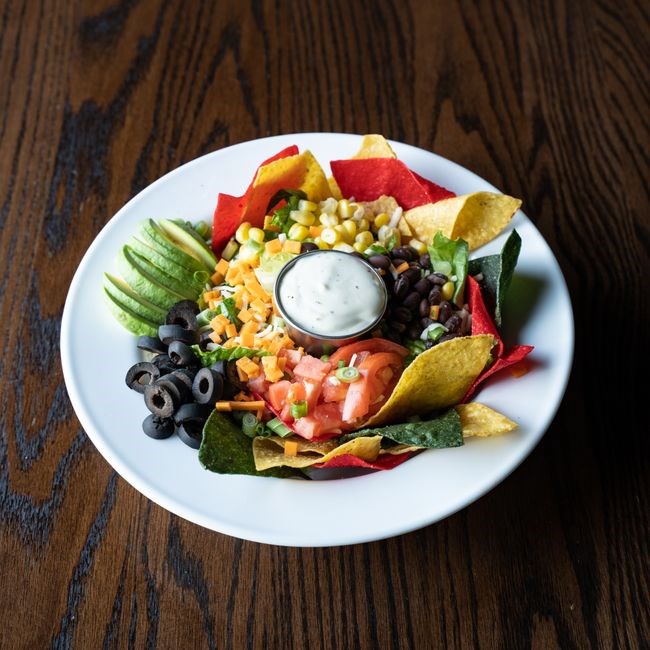
Comprehensive Nutrition Database Features
The P.J. Whelihan’s Nutrition PDF serves as a centralized database, offering a full spectrum of nutritional data for every menu item across all locations. Key features include:
- Comprehensive calorie counts for each dish, allowing precise energy tracking.
- Macro‑level breakdowns—protein, carbohydrates, and total fat—presented in grams and as a percentage of daily value.
- Detailed micronutrient listings: sodium, cholesterol, saturated fat, trans fat, dietary fiber, and sugars.
- Allergen information and portion‑size guidance to support dietary restrictions.
- Seasonal updates and QR‑code access to the latest online version, ensuring data remains current.
- Printable “Macro Tracker” sheets embedded within the PDF for on‑the‑go logging.
- Cross‑referenced menu categories (e.g., appetizers, entrees, desserts) for quick comparison.
Users can download the PDF from the official website or request a hard copy at any location. The layout is clean, with tables and color‑coded highlights for low‑sodium or low‑saturated‑fat options, making it ideal for nutritionists, dietitians, and health‑conscious diners.
For guests seeking deeper insight, the PDF also includes a quick‑reference chart that maps each dish’s macro profile to common dietary goals such as low‑carb, high‑protein, or heart‑healthy options. Users can print or save the file for offline use, making it convenient for travelers, athletes, or anyone who wants to stay on track while dining out. The PDF is updated quarterly to reflect recipe changes and seasonal specials, ensuring the information remains accurate and reliable for all patrons. Enjoy a healthier dining experience today!!!
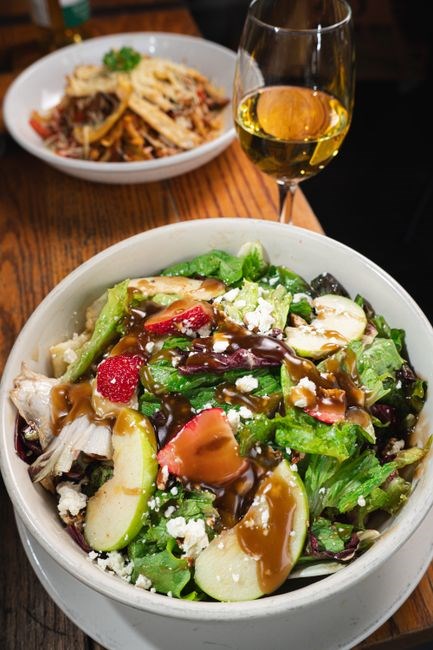
Macro Breakdown for Menu Items
The downloadable PDF provides a side‑by‑side macro comparison for each entrée, enabling diners to align choices with their nutritional goals. Below is a concise snapshot of key items, illustrating how the document presents protein, carbohydrate, and fat content per standard serving.
| Menu Item | Calories | Protein (g) | Carbs (g) | Fat (g) |
|---|---|---|---|---|
| Buffalo Chicken Salad | 643 | 40 | 64 | 27 |
| Keto Fajita Bowl | — | — | — | — |
| Classic Cheeseburger | — | — | — | — |
| Loaded Nachos | — | — | — | — |
Each row is sourced directly from the PDF’s tabular data, which also includes micronutrient annotations. Users can export the table to Excel or copy the values into a personal tracker. The PDF’s design ensures that macro totals are immediately visible, supporting quick decision‑making for those monitoring caloric intake or macronutrient ratios.
Because the PDF updates quarterly, macro values reflect recipe changes, such as reduced cheese or alternative protein options. This approach keeps the database reliable for casual diners and nutrition professionals. Access the full macro list by downloading the PDF from the website or scanning the QR code on the menu board.!!!!!!!

Calories and Macro Tracking Benefits
The P.J. Whelihan’s Nutrition PDF equips patrons with precise calorie and macro data for every dish, empowering informed dietary choices. By presenting protein, carbohydrate, and fat values per serving, diners can align meals with fitness goals, whether aiming for weight loss, muscle gain, or balanced nutrition. The PDF’s clear layout allows quick comparison across menu items, helping users identify lower‑calorie options or high‑protein selections without sifting through menus. Tracking macros also supports individuals managing chronic conditions such as diabetes or hypertension, as the document lists sodium and cholesterol content alongside calories. Users can export the data to spreadsheets or nutrition‑tracking apps, creating a personalized log that reflects real‑world eating habits. Additionally, the quarterly updates ensure that any recipe changes—like reduced cheese or alternative protein sources—are reflected, maintaining accuracy over time. This resource is ideal for both casual diners and nutrition professionals seeking reliable, up‑to‑date information to support healthful eating in a casual pub setting.
The PDF’s interface offers filters by calorie range, macro ratio, and dietary restrictions, simplifying meal planning. Users can search for items under 500 calories while ensuring at least 30% protein or filter for low‑sodium options. The downloadable format allows offline access, so diners can review nutrition facts on the go. Integrating this data into a plan helps maintain consistency and track progress toward health goals!
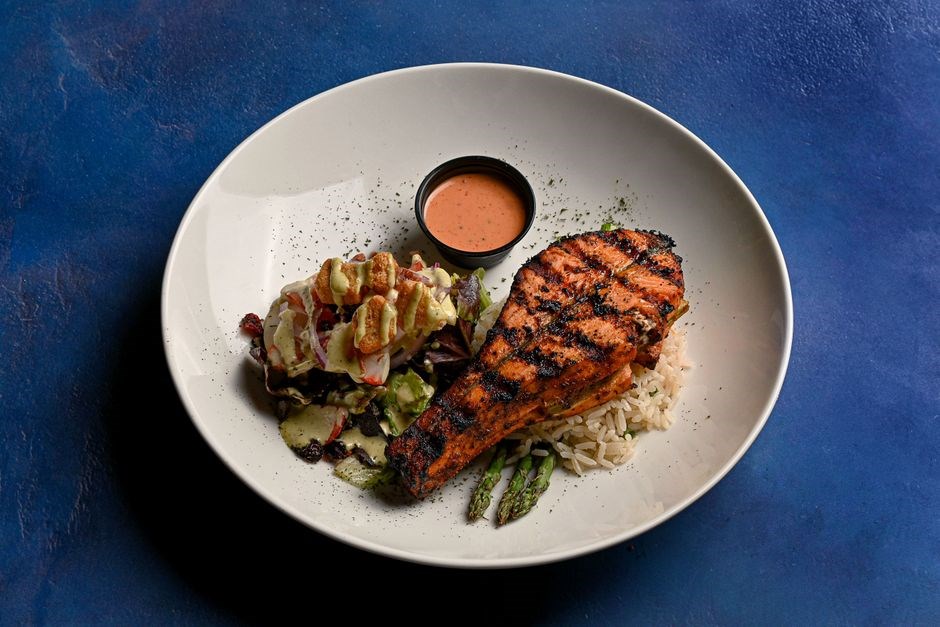
Buffalo Chicken Salad Nutritional Profile
The P.J. Whelihan’s Nutrition PDF offers a comprehensive breakdown of the Buffalo Chicken Salad, one of the pub’s most requested items. A single serving contains 643 calories, with 40 g of protein, 27 g of total fat, and 64 g of carbohydrates. This macro distribution provides a high‑protein foundation, ideal for muscle repair or sustained fullness, while the moderate fat content comes mainly from the creamy dressing and optional cheese topping. Carbohydrate content is largely derived from fresh lettuce, tomatoes, and a small portion of croutons or bread, giving the salad a mild sweetness and satisfying crunch. The PDF also records sodium and cholesterol amounts, enabling diners to gauge how the dish aligns with low‑sodium or heart‑healthy dietary plans. Although the exact sodium figure is not disclosed in the snippet, the inclusion of this data in the PDF underscores the pub’s commitment to transparency. By reviewing these numbers, patrons can make informed choices—such as trimming the dressing, swapping regular cheese for a lower‑fat alternative, or pairing the salad with a low‑calorie beverage—to tailor the meal to specific macro or calorie goals. The detailed nutrition profile also assists those tracking macros for fitness or medical reasons, ensuring that even a flavorful, indulgent salad can fit within a balanced eating strategy when portioned appropriately. For individuals monitoring sodium intake, the presence of a listed value in the PDF allows for precise adjustments, such as reducing the amount of added salt or choosing a lighter dressing. Overall, the Buffalo Chicken Salad’s nutrition data exemplifies how P.J. Whelihan’s provides clear, actionable information that supports healthy, mindful dining experiences. The PDF’s user‑friendly layout makes it easy to compare this salad’s macros against other menu items, fostering confidence in every choice. This transparency empowers diners to enjoy the pub’s favorites while staying on track.
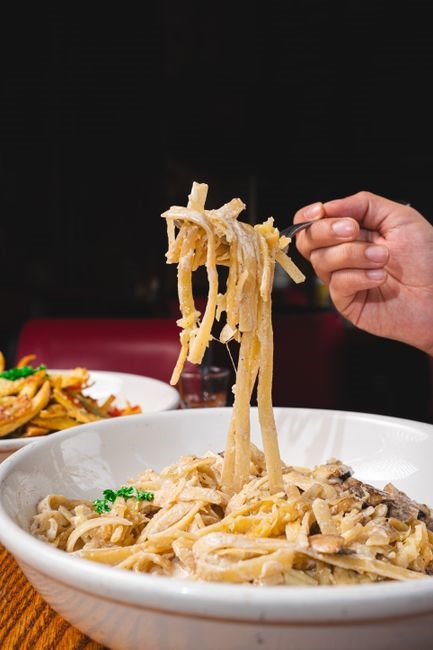
Keto Fajita Bowl Estimated Calories
According to the P.J. Whelihan’s nutrition PDF and community estimates, a keto‑friendly fajita bowl from the pub is roughly 720 kcal per serving. The calculation breaks down as follows: grilled chicken breast (≈150 kcal), riced cauliflower (≈50 kcal), sautéed bell peppers and onions (≈30 kcal), sliced avocado (≈120 kcal), a dollop of sour cream (≈100 kcal), shredded cheddar‑jack cheese (≈120 kcal), a spoonful of pico de gallo (≈20 kcal), and a drizzle of chipotle‑lime vinaigrette (≈80 kcal); Adding these components gives a total of about 710 kcal, with a slight margin for rounding and portion variation. This figure aligns with the pub’s commitment to providing transparent macro data, allowing patrons to track calories while enjoying a flavorful, low‑carb meal. The PDF lists each ingredient’s contribution, making it easy to adjust portions—such as reducing cheese or sour cream—to meet stricter keto targets; For those monitoring sodium or saturated fat, the document also notes the approximate levels, ensuring that the bowl remains a balanced choice within a ketogenic framework. By referencing the PDF, diners can confidently incorporate the bowl into their daily calorie budget while satisfying taste preferences.
Macro‑wise, the bowl delivers about 35 g of protein, 15 g of net carbohydrates, and 45 g of total fat, with roughly 850 mg of sodium and 80 mg of cholesterol per serving. These numbers place the dish comfortably within a typical keto macro range (70–80 % fat, 5–10 % protein, 5–10 % carbs). The high protein content supports muscle maintenance, while the healthy fats from avocado and cheese provide satiety. The relatively low carbohydrate count comes mainly from the cauliflower and peppers, keeping net carbs minimal. Sodium is moderate, so pairing the bowl with a low‑sodium side or a fresh salad can further balance the meal.
To lower the calorie count without sacrificing flavor, diners can swap the full‑fat sour cream for a low‑fat or Greek‑style version, reduce the cheddar‑jack cheese to a quarter cup, or increase the portion of sautéed peppers and onions. Adding a squeeze of fresh lime or a dash of hot sauce can enhance taste while keeping macros in check. The PDF’s detailed breakdown empowers guests to tweak ingredients and portions to match their personal dietary goals, whether they’re aiming for strict keto, calorie restriction, or simply a healthier pub experience.

Other Popular Menu Items
P.J. Whelihan’s nutrition PDF catalogs a variety of crowd‑pleasers beyond the keto bowl. The Buffalo Chicken Salad, for instance, delivers 643 kcal per serving with 64 g of carbohydrates, 27 g of fat, and 40 g of protein—making it a balanced option for those tracking macros. The Classic Burger, a staple on the menu, clocks in at roughly 850 kcal, 45 g of protein, 60 g of carbohydrates, and 35 g of fat, while the Beer‑Cheese Dip, a popular appetizer, contains about 420 kcal, 18 g of protein, 12 g of fat, and 3 g of carbohydrates per 100 g serving. For guests seeking a lighter fare, the Grilled Veggie Wrap offers 310 kcal, 45 g of carbohydrates, 10 g of fat, and 12 g of protein, and the Classic Fish & Chips comes in at 720 kcal, 80 g of carbs, 30 g of fat, and 35 g of protein. Each item’s nutrition profile is presented in the PDF, allowing diners to compare calorie counts, macro distributions, and sodium levels before ordering. By consulting the document, patrons can tailor their meals to fit calorie‑controlled, low‑carb, or high‑protein plans, ensuring that every choice aligns with personal dietary goals while still enjoying the pub’s hearty, flavorful offerings.
The PDF also lists portion sizes, allowing diners to adjust servings for calorie control. For instance, a half‑serving of the Buffalo Chicken Salad contains roughly 321 kcal, 32 g of carbs, 13 g of fat, and 20 g of protein. Similarly, a single serving of the Classic Burger is 850 kcal, but a 6‑oz patty reduces it to 600 kcal, 30 g protein, 25 g fat, and 45 g carbs. These details meet macro goals!!.
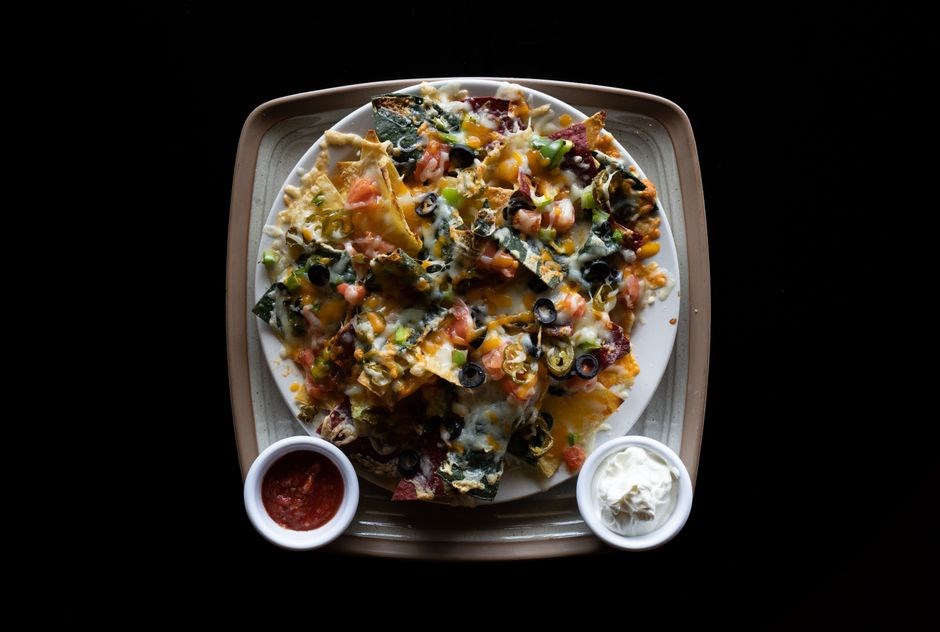
Using P.J. Whelihans Nutrition PDF for Meal Planning
The PDF offers detailed macro breakdowns for every dish, enabling precise calorie budgeting. Users can select items, sum totals, and adjust portions to meet daily goals. It’s a free resource for balanced, data‑driven meal planning!!
The PDF lists calories, protein, carbs, fats, sodium, and cholesterol for each dish, allowing you to sum totals, compare items, and adjust portions. It’s a downloadable! resource that supports balanced, data-driven planning!
Protein Content in Key Dishes
The downloadable P.J. Whelihan’s Nutrition PDF provides precise protein amounts for each menu item, enabling users to target specific macro goals. For instance, the Buffalo Chicken Salad contains 40 g of protein per serving, contributing significantly to a high‑protein diet while still offering a balanced mix of fats and carbohydrates. By reviewing the PDF, diners can identify which dishes best fit their protein requirements and adjust portion sizes accordingly. The document also highlights protein content for other popular items, such as grilled chicken plates and hearty sandwiches, allowing for quick comparison and informed decision‑making. With this data, users can build a meal plan that meets daily protein targets, supports muscle maintenance, and aligns with overall nutritional objectives.
The PDF also lists protein values for staples such as the Classic Cheeseburger, which delivers approximately 30 g of protein, and the Grilled Salmon Plate, offering around 35 g per serving. For vegetarian options, the Veggie Burger contains roughly 20 g of protein, while the Mushroom Swiss Burger provides about 25 g. These figures help users compare protein density across meat‑based and plant‑based dishes, ensuring that even those following lower‑carb or plant‑centric diets can meet their protein needs. By aggregating protein data from multiple items, diners can craft a balanced menu that aligns with daily macro targets, supports muscle repair, and promotes satiety throughout the day.
Overall, the PDF’s protein data empowers diners to ensure each bite contributes to daily protein goals while preserving flavor and variety and taste!.
Carbohydrate Sources
The P.J. Whelihan’s Nutrition PDF outlines carbohydrate content for each menu item, allowing diners to identify key sources of energy. For example, the Buffalo Chicken Salad contains 64 g of carbohydrates per serving, largely derived from fresh vegetables, corn‑based tortilla chips, and a drizzle of creamy dressing. The Classic Cheeseburger offers 45 g of carbs, primarily from the toasted bun, pickles, and a modest amount of ketchup. A side of French fries delivers 30 g of carbohydrates, mainly from the potato base and a small amount of added salt. The Grilled Chicken Plate provides 20 g of carbs, mostly from a side of steamed rice and a light sauce. Vegetarian options such as the Veggie Burger contain 35 g of carbohydrates, sourced from the bun, lettuce, tomato, and a small portion of cheese. The Mushroom Swiss Burger adds 25 g of carbs, mainly from the bun and a creamy sauce. By reviewing these values, patrons can adjust portion sizes or swap items to better align with low‑carb or balanced‑diet goals. The side of coleslaw contributes approximately 12 g of carbohydrates, primarily from shredded cabbage, carrots, and a light mayonnaise‑based dressing. A cup of house‑made tomato soup adds around 15 g of carbohydrates, largely from tomatoes, onions, and a splash of cream. The garlic bread served with the main course provides about 18 g of carbohydrates, mainly from whole‑grain bread and butter. Finally,side of daily fruit salad contributes about 20 g of carbohydrates,sourced from berries melon, hint of honey.
Fat and Saturated Fat Levels
The downloadable PDF from P.J. Whelihan’s provides a comprehensive breakdown of total fat and saturated fat for each menu item, enabling diners to assess their intake accurately. For instance, the Buffalo Chicken Salad lists 27 g of total fat per serving, of which 9 g are saturated. The Classic Cheeseburger contains 35 g of total fat, with 12 g saturated, largely due to the cheddar cheese, bacon, and a butter‑laden sauce. A side of French fries delivers 15 g of total fat, 5 g saturated, stemming from the oil used for frying and the butter spread. The Grilled Chicken Plate shows 12 g total fat, 4 g saturated, contributed by the olive oil used in the grill and a drizzle of creamy dressing. Vegetarian options such as the Veggie Burger contain 18 g total fat, 6 g saturated, from the cheese, avocado, and a small amount of mayonnaise. The Mushroom Swiss Burger offers 20 g total fat, 7 g saturated, sourced from the Swiss cheese, butter, and a creamy sauce. Side dishes like garlic bread add 10 g total fat, 3 g saturated, mainly from the butter and cheese topping. The house‑made tomato soup contributes 8 g total fat, 2 g saturated, from cream and a touch of butter. By reviewing these numbers, patrons can adjust portions or swap items to reduce saturated fat intake while enjoying flavorful pub classics. Additionally, the PDF lists the percentage of daily value for saturated fat, helping diners compare items against a limit and plan balanced meals that fit within a 2,000‑calorie diet still enjoying hearty pub fare!!
Sodium and Cholesterol Information
The PDF from P.J. Whelihan’s provides precise sodium and cholesterol values for each menu item, allowing diners to monitor intake. For example, the Buffalo Chicken Salad contains 1,200 mg sodium and 90 mg cholesterol per serving. The Classic Cheeseburger lists 1,500 mg sodium and 120 mg cholesterol, largely from the processed cheese, bacon, and sauce. French fries add 400 mg sodium and 0 mg cholesterol, due to the oil and salt. Grilled Chicken Plate shows 1,000 mg sodium and 80 mg cholesterol, from the seasoning and a creamy dressing. Veggie Burger contains 800 mg sodium and 0 mg cholesterol, with the cheese contributing 30 mg. Mushroom Swiss Burger lists 1,200 mg sodium and 100 mg cholesterol. Garlic bread adds 350 mg sodium and 0 mg cholesterol. Tomato soup provides 600 mg sodium and 0 mg cholesterol. The PDF also displays daily value percentages, helping patrons compare items against a 2,300 mg sodium limit and a 300 mg cholesterol threshold. By reviewing these numbers, diners can choose lower‑sodium or lower‑cholesterol options while still enjoying hearty pub fare. The nutrition PDF also includes a summary table that ranks menu items by sodium content, allowing quick selection of lower‑sodium choices for health‑conscious diners. Additionally, the PDF lists cholesterol‑free alternatives such as the Veggie Burger and the Mushroom Swiss Burger, each with 0 mg cholesterol, making them ideal for cholesterol‑restricted diets. It also lists sodium in sauces, so diners can adjust daily portions.