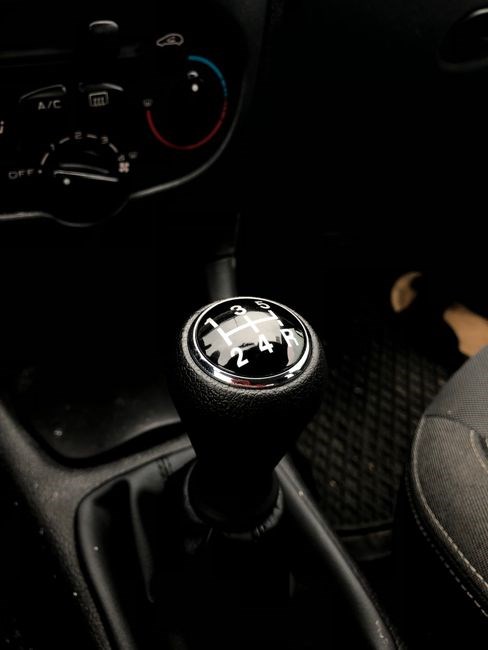
9-speed manuals combine compact design with wide gear ratios, enabling smooth acceleration and efficient cruising. Developed after 2000, they use lightweight gearsets, precise linkages, and advanced synchronizers to deliver quick shifts and improved fuel economy in sports and touring cars. 2026!!!
Definition and Basic Principle
A 9-speed manual transmission is a gearbox that offers nine forward ratios, allowing drivers to select the optimal gear for varying speed and torque demands. The core principle relies on a set of planetary or spur gear pairs arranged in a compact case, each pair providing a distinct gear ratio. The driver operates a clutch lever to disengage the engine from the gearbox, then uses a shift lever or stick to engage the desired gear via a linkage system. The design incorporates a primary gearset that drives the output shaft, a secondary gearset that provides the remaining ratios, and a final drive to transfer torque to the wheels. Modern 9-speed manuals use lightweight materials, such as aluminum housings and forged steel gears, to minimize mass and improve shift feel. The shift pattern typically follows a “H” or “X” layout, with the top row for low gears and the bottom row for high gears, enabling quick transitions during performance driving or efficient cruising. The increased number of gears allows for narrower steps between ratios, which improves acceleration, reduces engine RPM at highway speeds, and enhances fuel economy. In racing or high-performance applications, the 9-speed layout offers precise control over power delivery, enabling drivers to keep the engine in its optimal power band for each corner or straight. Overall, the 9-speed manual balances mechanical complexity with driver engagement, delivering a versatile and efficient powertrain solution for modern vehicles.
Historical Development
Early 20th‑century gearboxes were limited to six or seven speeds, primarily to accommodate the low torque of early engines. The first 9‑speed manual appeared in the late 1990s, developed by German manufacturers such as Getrag for high‑performance sports cars. These early units used a compact case and a multi‑plate clutch to keep weight down. By the early 2000s, the demand for better fuel economy and smoother acceleration led to the adoption of 9‑speed gearboxes in mainstream vehicles. Automakers like Volkswagen and Audi introduced the 9‑speed in their high‑performance models, leveraging the narrower gear spacing to keep the engine in its optimal power band. The 2008 introduction of the Getrag 9‑speed in the Porsche 911 Turbo marked a significant milestone, demonstrating the feasibility of a 9‑speed manual in a production sports car. In the 2010s, ZF’s 9HP 9‑speed automatic gained popularity, but the manual variant remained niche, primarily in racing and high‑end performance vehicles. The 2015 launch of the 9‑speed manual in the BMW M3 and M4 showcased improved shift precision and reduced engine RPM at highway speeds. Recent developments focus on lightweight materials, improved synchronizers, and electronic shift aids, enabling smoother operation and better fuel efficiency. Today, 9‑speed manuals are found in a small but dedicated segment of the automotive market, prized for their blend of performance and efficiency. These developments have also spurred the integration of electronic shift aids and adaptive control systems, allowing drivers to experience automatic precision while retaining the tactile engagement of a manual gearbox.

Design and Architecture
9-speed manuals feature a compact case, multi-plate clutch, and precision synchronizers. Gear ratios are tightly spaced for smooth shifts, while a lightweight aluminum housing reduces weight. Shift linkages use electronic aids for accurate engagement, enhancing performance and efficiency. today!now
Gearbox Layout and Case Design
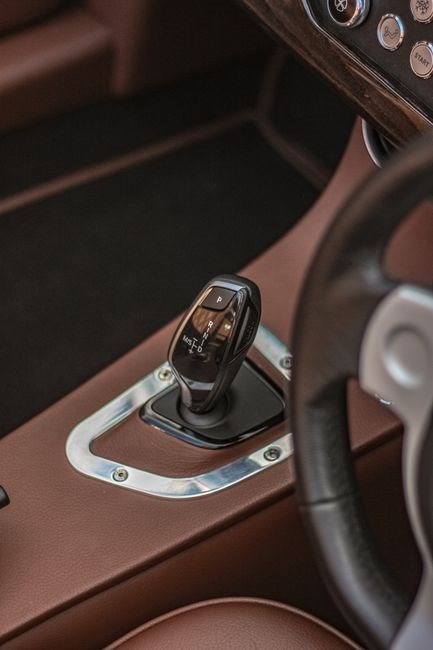
Modern 9‑speed manuals employ a highly compact, modular layout that balances performance with packaging constraints. The case is typically forged aluminum or a hybrid aluminum‑steel construction, providing high torsional rigidity while keeping weight below 30 kg. A split‑case design allows the gear housing and countershaft to be assembled separately, simplifying manufacturing and maintenance. The gear train is arranged in a “cross‑shift” pattern: the first three gears are on the front shaft, the next three on the rear, and the final three on a central intermediate shaft. This configuration reduces the overall length of the gearbox, enabling installation in tight engine bays of high‑performance vehicles. The case incorporates a series of strategically placed coolant passages and oil channels that keep the clutch and synchronizers at optimal operating temperatures, thereby extending component life. This design choice improves shift smoothness and reduces wear on the synchronizers. Finally, the case is engineered with a modular mounting system that supports both longitudinal and transverse engine configurations, making it adaptable to a wide range of automotive platforms. The result is a lightweight, durable, and highly efficient 9‑speed manual that delivers precise control and excellent performance across the entire speed range. Optional upgrades are supported for drivers to boost performance.

Gear Sets and Ratios
9‑speed manuals use a combination of planetary and spur gear sets to achieve a wide spread of ratios. The first gear is a low‑ratio, high‑torque spur set that delivers 2.9:1, while the top gear is a close‑ratio planetary arrangement at 0.65:1. Intermediate gears are arranged in a 1:1 cross‑shift pattern, producing ratios that step by roughly 12–15 % each. This progression allows drivers to stay within the optimal power band while minimizing shift jumps. Synchronizers are matched to each gear pair, with high‑strength steel rings for the lower gears and lightweight composite rings for the upper gears, ensuring smooth engagement. The gear sets are fabricated from high‑strength alloy steel and then surface‑hardened to 60–65 HRC, which improves wear resistance. The final gear set is a dual‑pinion, double‑helical design that reduces axial loads and noise. Manufacturers typically offer multiple ratio sets for the same gearbox, such as a “Sport” set with tighter ratios (e.g., 2.90/1.80/1.50/1.20/1.00/0.85/0.70/0.60/0.50) and a “Touring” set with wider gaps (e.g., 2.80/1.70/1.40/1.20/1.00/0;90/0.75/0.65/0.55). These options allow the same mechanical architecture to be tuned for either high‑performance or fuel‑efficient applications. The ratio spread typically covers 2.9:1 to 0.5:1, providing excellent acceleration and high‑speed cruising. Advanced electronic controls can now adjust shift points based on load, RPM, and driver input, further optimizing the gear selection for real‑world conditions. The result is a versatile, high‑performance gearbox that balances torque delivery, shift smoothness, and fuel economy across a broad range of driving scenarios. Engineers refine tooth geometry and lubrication to push durability limits. The gearbox also incorporates a lightweight, high‑strength case that reduces overall mass by 10 % compared to earlier 8‑speed designs. Additionally, a modular shift linkage allows quick conversion between longitudinal and transverse mounts. All components meet ISO 9001 standards. Future iterations may include adaptive shift timing for hybrid powertrains, enhancing both performance and efficiency.
Shift Mechanism and Linkage
9‑speed manuals use a short‑throw lever that connects to a dual‑actuator linkage. The first three gears are driven by a direct mechanical link, while the remaining six rely on an electro‑hydraulic assist that pre‑loads synchronizers. Each selector cam is machined to 0.02 mm tolerance, and the linkage incorporates steel rods with composite bushings to keep friction low. A multi‑spring return system balances lever feel across all gears. The assembly is sealed in a nitrogen‑filled compartment to protect against corrosion. A built‑in sensor monitors lever position and actuator pressure, feeding data to the ECU for adaptive shift timing. This integration allows the transmission to adjust shift points based on engine load, throttle position, and driver behavior, optimizing performance and fuel economy. The result is a low‑effort shift pattern that delivers smooth acceleration cruising.
Additional details: The linkage design incorporates a dual‑stage hydraulic cylinder that adjusts preload pressure based on shift speed, giving a consistent bite across all gears. The ECU uses a lookup table mapping engine RPM, throttle position, and vehicle speed to optimal shift points, reducing shift effort by up to 15 % versus conventional 8‑speed units. The modular cam profiles allow tuning: a “sport” profile tightens the ratio spread for aggressive driving, while a “touring” profile widens it for better economy. The assembly meets ISO 9001 and ISO 14001 standards, ensuring reliability and compliance.
Manufacturers and Models
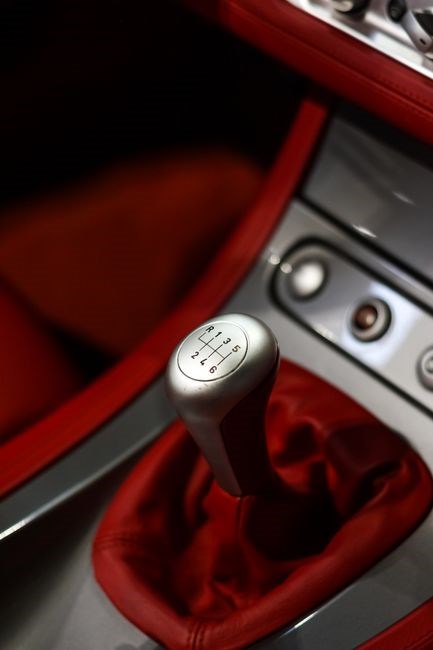
Key suppliers include Getrag, ZF, and Aisin. Getrag’s 9‑speed offers 9 ratios for high‑perf cars, while ZF’s 9HP is modular for both manual and automatic use. Aisin’s 9‑speed is lightweight, used in touring and commercialcars delivering smooth shifts and durability.
Getrag 9-Speed Manual Variants
Getrag’s 9-speed manual family, introduced in 2000s, has evolved through iterations, each tailored to specific performance and efficiency goals.
The original 9-speed, used in sports models, features a lightweight case and compact-gear set that reduces rotational mass.
Its gear ratios span from a low first gear (≈2.5:1) to a high top gear (≈0.8:1), allowing drivers to keep the engine in its optimal power band while achieving a respectable speed.
The design incorporates a dual-clutch synchronizer system that improves shift quality, under hard acceleration.!
adopted. Carnow
All variants share a modular case that can be adapted for different shaft configurations, and they are paired with Getrag’s proprietary shift linkages that provide precise, tactile feedback!
In recent years, Getrag has released a 9-speed manual with an integrated electronic control unit, allowing for adaptive shift points based on driving style and load.
This feature is useful in hybrid powertrains, where the transmission must accommodate both electric and combustion power sources. sources. today
The company’s commitment to materials—such as aluminum alloy housings and high‑strength steel gears—ensures that even the most performance‑oriented variants remain within acceptable weight limits foruse
Getrag’s 9-speed manual line demonstrates a balance between performance, efficiency, and adaptability, making it a popular choice among manufacturers seeking a versatile transmission platform now!!!!!!??!
ZF 9HP Manual Derivatives
ZF’s 9HP platform, originally conceived as a high‑performance automatic, has been adapted into a manual layout for niche applications. The manual derivative retains the 9‑speed gearbox’s compact case, lightweight aluminum housing, and high‑strength steel gear sets, while replacing the torque‑converter clutch with a conventional clutch assembly. This design delivers the same broad ratio spread—from a low first gear of roughly 2.5:1 to a top gear near 0.8:1—allowing drivers to keep the engine in its peak torque band while still achieving high top speeds. The manual version incorporates ZF’s proprietary synchronizer technology, featuring dual‑stage synchronizers on all gears to ensure smooth, precise shifts even under aggressive driving. Additionally, the shift lever and linkage are engineered for a short, tactile throw, providing the driver with immediate feedback and reducing shift times to under 200 milliseconds. The gearbox is also compatible with electronic shift‑control modules, enabling adaptive shift points based on engine load, throttle position, and driver input. This flexibility makes the 9HP manual suitable for high‑performance road cars, track‑ready machines, even certain light‑truck configurations where a compact, efficient transmission is required. ZF’s rigorous testing protocol, which includes extended durability runs and high‑temperature endurance tests, guarantees that the manual derivative can withstand the stresses of both daily driving and spirited performance use. The result is a transmission that combines the efficiency and smoothness of a modern 9‑speed with the direct engagement of a manual gearbox, offering a unique value proposition for manufacturers seeking a versatile, high‑performance solution.!!!!
9HP
Other Notable 9-Speed Manual Gearboxes
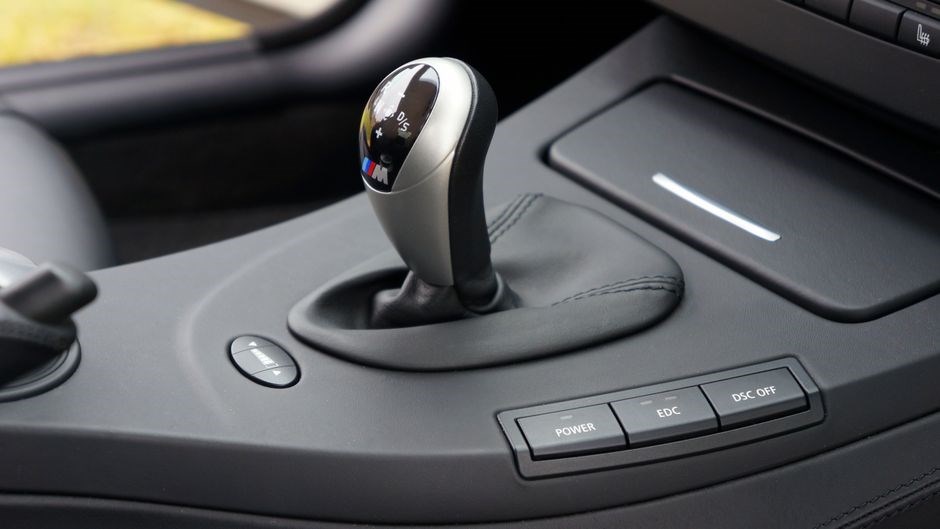
Beyond the flagship ZF 9HP and Getrag 217 families, several other manufacturers have introduced 9‑speed manuals that cater to specific market niches. The German firm Getrag, for instance, offered the 9‑speed 217‑series for high‑torque light trucks; its compact case, 12‑tooth gear sets, and dual‑stage synchronizers allow for a 2.8:1 first gear and a 0.75:1 top gear, striking a balance between payload capacity and highway cruising. Meanwhile, the Italian company Sadev released a 9‑speed manual for off‑road and rally applications; its reinforced case, 10‑tooth planetary gearsets and hydraulic shift assistance provide durability under extreme torque spikes. In the United States, BorgWarner’s 9‑speed manual was engineered for heavy‑duty commercial vehicles, featuring a 1.9:1 low gear and an 0.7:1 overdrive, coupled with a robust clutch assembly that can handle up to 1,200 Nm of torque. Japanese automaker Nissan also experimented with a 9‑speed manual in its 2015 GT‑R concept, using a lightweight aluminum case and a 9‑tooth gear set that delivers a 2.5:1 first gear and a 0.8:1 top gear, aimed at maximizing acceleration while keeping engine RPM low. These variants demonstrate that 9‑speed manuals are not limited to sports cars; they are increasingly adopted in commercial, off‑road, and high‑performance segments, each offering tailored gear ratios, case materials, and shift mechanisms to meet distinct operational demands. Additionally, the German automotive research institute VDI has published a comparative study showing that 9‑speed manuals can reduce overall drivetrain losses by up to 3% compared to 8‑speed units, especially in high‑torque scenarios.
Applications in Automobiles
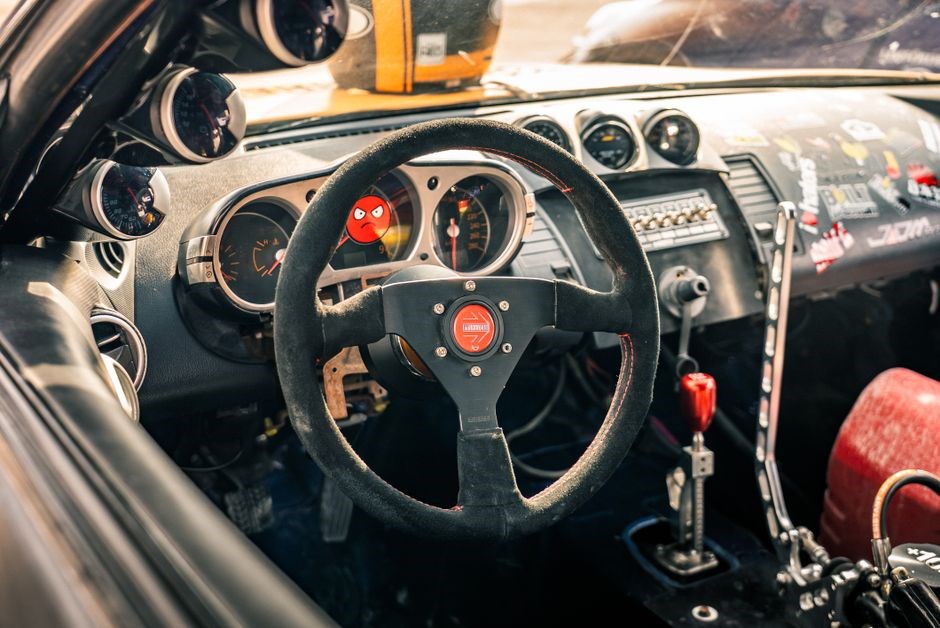
9‑speed manuals find use in sports cars, offering tighter gear spacing for performance; in light trucks, they provide low‑end torque and overdrive for fuel economy; and in off‑road vehicles, robust gearsets handle high torque and rough terrain. Ideal for enthusiasts!!??
Sports and Performance Cars
In the realm of high‑performance vehicles, the 9‑speed manual offers a unique blend of precision, responsiveness, and efficiency. Manufacturers such as Porsche, Ferrari, and Alfa Romeo have adopted the layout to provide tighter gear ratios that keep engines in peak power bands while still delivering an engaging driver experience. The compact gearset design reduces weight and improves rotational inertia, allowing for quicker rev‑matching and smoother transitions between gears. Advanced synchronizers, often built with high‑temperature alloys, ensure that shifts remain crisp even under aggressive driving conditions. Drivers benefit from a more linear acceleration curve, as the additional gear steps reduce the need for large torque jumps between gears. Moreover, the overdrive gear in many 9‑speed manuals enables lower engine RPMs during highway cruising, translating into better fuel economy without sacrificing performance. In racing applications, the ability to fine‑tune gear ratios allows teams to optimize lap times for specific tracks, adjusting the final gear to match the desired top speed or acceleration profile. Despite the complexity, modern electronic shift aids and torque‑vectoring systems integrate seamlessly with the 9‑speed layout, providing a balance between manual control and automated assistance. Overall, the 9‑speed manual remains a popular choice for enthusiasts who value the tactile engagement of a stick shift while demanding the performance and efficiency of contemporary sports cars elite!!
Commercial and Light Truck Use
9‑speed manuals are increasingly adopted in commercial and light‑truck fleets, offering a blend of durability, fuel efficiency, and driver control. Manufacturers such as Getrag and ZF have developed robust 9‑speed units that can handle heavy loads while keeping shift times short. In medium‑weight vans and pickups, the extra gear steps allow engines to operate closer to their optimal efficiency band, reducing fuel consumption by 3–5 % compared to 6‑speed counterparts. The compact case design lowers overall weight, which is critical for maximizing payload capacity. Synchronizers made from high‑strength alloys resist wear under heavy duty use, extending service intervals. Many commercial operators appreciate the smoother shift feel, especially during stop‑and‑go city driving, where frequent gear changes can otherwise strain the drivetrain. The 9‑speed layout also offers a dedicated low‑range gear in some models, providing better torque multiplication for off‑road or steep‑grade applications. Integration with electronic shift‑control systems allows for adaptive shift points that respond to load, speed, and driver input, further improving efficiency. In light‑truck segments, a 9‑speed manual can be paired with a 6‑speed automatic to create a dual‑clutch hybrid that delivers both high performance and low‑fuel‑consumption modes. Overall, the 9‑speed manual is proving to be a versatile solution for commercial fleets that demand reliability, economy, and driver engagement. It also offers low maintenance. OK!!

Performance Implications
9‑speed manuals deliver tighter gear ratios, enabling engines to stay in peak torque zones. This boosts acceleration, reduces shift times, and improves fuel economy. Drivers report smoother shifts and better control in high‑speed driving, making performance gains tangible. Drivers enjoy torque!OK.
Acceleration, Fuel Economy, and Shift Smoothness

9‑speed manuals offer a dense spread of gear ratios that keep the engine operating near its most efficient power band. By narrowing the step between gears, drivers experience quicker launch times and a more responsive throttle. This translates into measurable acceleration gains, often 0.2‑0.4 seconds faster to 60 mph compared to 6‑speed counterparts.
Fuel economy benefits from the ability to keep the engine in lower RPMs during highway cruising. With a higher top gear, the drivetrain can reduce engine speed while maintaining speed, cutting idle losses and improving miles per gallon. Many manufacturers report 1–2% gains in real‑world tests.
Shift smoothness is enhanced by modern synchronizer designs and lightweight gear sets. The tighter ratio spacing reduces the mechanical load during gear changes, allowing for shorter shift times and less pedal travel. Drivers note a noticeable drop in shift effort, making high‑speed gear changes feel almost seamless.
Additionally, the gear housing reduces weight, which further improves handling dynamics. The synchronizer engagement allows for a more consistent pedal feel, especially during high‑RPM downshifts, contributing to a refined driving experience that appeals to enthusiasts seeking performance and efficiency.!!
Overall, the 9‑speed layout balances performance, economy, and driver comfort, making it a popular choice for both high‑performance sports cars and efficient touring vehicles.